

Social Affairs Officer of Mauritanian Community in Chicago: Mauritania’s Selection among five African nations to meet with U.S. President is an extremely important matter
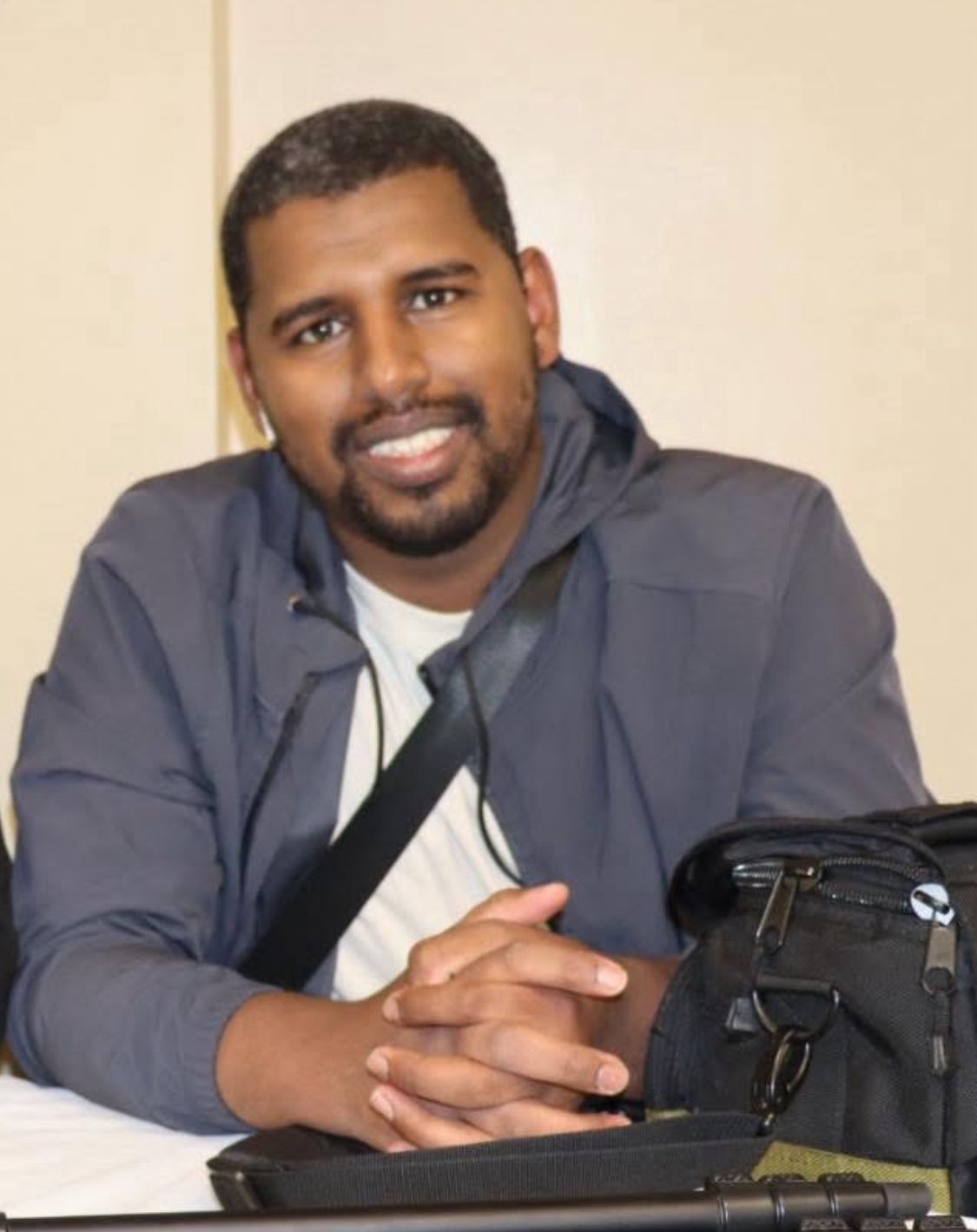
The Social Affairs Officer of the Mauritanian Community in Chicago and Member of the Community’s Media Office, Mr. Mohamed Vall Dey, stated that the selection of Mauritania among the five countries whose leaders U.S. President Donald Trump decided to hold a summit with is of great significance.
He emphasized that this event comes at an exceptional time in which Mauritania possesses important cards, particularly in the economic field.
He pointed out that, following the release of international reports forecasting gas reserves reaching 110 trillion cubic meters, Mauritania has become increasingly important in the eyes of most Western countries that seek and need natural resources like gas, which is a vital energy source. He explained that the United States is a key partner to Mauritania in the gas sector, through the company ExxonMobil.
He added that in terms of the geo-strategic dimension, Mauritania, after leading the G5 Sahel countries for several years, has become a highly strategic partner in a volatile region that could pose a threat to U.S. interests — especially following the wave of military coups in the four Sahel countries. He noted that the coup leaders are now desperately trying to cover up their overthrow of democratic legitimacy in their countries by leaning toward partnerships with the Russian bloc. As a result, Mauritania has become the focus of attention for Russia, the United States, and NATO, all seeking to deter any threat to their interests in West Africa.
Regarding trade, he explained that Mauritania is an important connection point between West and North Africa on one side, and Europe on the other. This makes it a critical commercial hub for U.S. and European exports — particularly since China has become a true competitor in Africa, relying on Mauritanian ports due to the country’s strategically significant geographic location.
In the area of migration, he said that the past four years have witnessed unprecedented waves of migration from Mauritania to the United States, placing a significant economic burden on Mauritania. The United States now considers it one of the top priorities of the current administration’s program, as it leads unprecedented deportation campaigns.
He explained that Mauritanian communities in the United States face serious challenges, including civil registration issues. He noted that due to the vast geographic size of the United States — with some areas located as far as 8,000 kilometers from the capital — this creates major obstacles in registering births among the diaspora. Under such difficult circumstances, families must travel for days to Washington, D.C., to register their children’s births. He called for the opening of consulates to issue identification documents and prepare travel papers for those wishing to travel outside the U.S., without having to go to the capital.
He said they hope that the President’s visit will mark a turning point in solving all the issues facing the Mauritanian community in the United States, and that it will serve the interests of both countries and their peoples. He also called for the repatriation of Mauritanian immigration detainees through a bilateral agreement or by speeding up the deportation procedures for those who wish to return to Mauritania from immigration detention centers, which currently hold hundreds of Mauritanians.