

The First International Forum for Promoting Integrity in the Tourism Sector kicks off in Malé, jointly organized by Saudi Arabia and the Maldives.
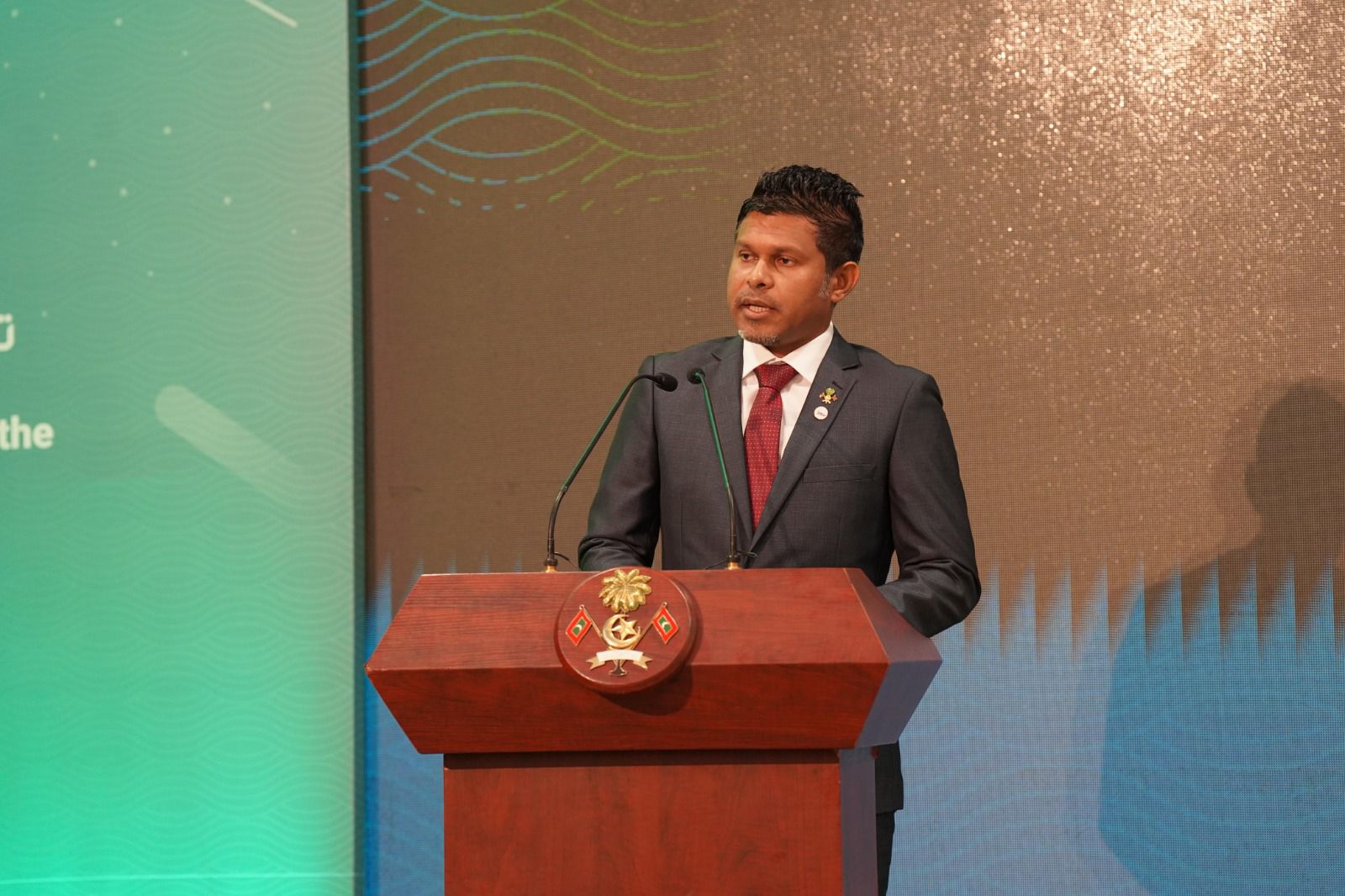
Malé (UNA) – In the presence of the Vice President of the Republic of the Maldives, Hussain Mohamed Latheef, the First International Forum for Promoting Integrity and Combating Corruption in the Tourism Sector kicked off today, Tuesday, in Malé, Maldives. The event is organized by the Kingdom of Saudi Arabia in partnership with the Republic of the Maldives, in cooperation with the Organization of Islamic Cooperation (OIC), and with high-level participation from OIC Member States and the presence of international organizations specialized in combating corruption.
At the opening session of the Forum, the President of the Anti-Corruption Commission of the Republic of the Maldives, Adam Shamil, welcomed the participants. He affirmed that his country’s hosting of this important conference, in close partnership and cooperation with Saudi Arabia—represented by the Oversight and Anti-Corruption Authority (Nazaha)—is a strong testimony to the depth of the fraternal and historical relations between the two countries. It also reflects a shared understanding of the importance of promoting integrity and combating corruption across all sectors, especially tourism, which constitutes a vital pillar of our economy.
He pointed out that choosing the tourism sector as the main theme of this Forum reflects its growing importance in sustainable development and global economic growth. He stressed that promoting integrity and transparency in this sector significantly contributes to building an attractive and sustainable investment environment and strengthens the confidence of both investors and tourists.
Shamil expressed his gratitude to Saudi Arabia, represented by the Oversight and Anti-Corruption Authority (Nazaha), for this fruitful cooperation and valuable partnership in organizing this important forum, wishing the event success in achieving its desired objectives.
For his part, Mazen bin Ibrahim Al-Kahmous, President of the Oversight and Anti-Corruption Authority in the Kingdom of Saudi Arabia, explained that the forum comes as part of implementing the resolution adopted by the XNUMXth Session of the Council of Foreign Ministers of the Organization of Islamic Cooperation. He expressed his thanks to the Government of the Republic of the Maldives and its Anti-Corruption Commission for partnering with the Kingdom in organizing this forum to exchange visions and best practices in confronting corruption challenges and to develop a comprehensive outlook for overcoming them.
Al-Kahmous stated: “This meeting reflects our awareness of the serious impact of corruption on the tourism sector, which constitutes a key contributor and economic driver in our countries’ GDP, as well as in improving quality of life, achieving economic growth, creating job opportunities, and enhancing the appeal of both domestic and foreign investments.”
He welcomed the efforts made to adopt high-level principles for combating corruption and promoting integrity in the tourism sector as one of the forum’s outcomes, expressing hope that these principles would serve as a guiding and reference framework for all countries and international organizations interested in promoting a culture of integrity, transparency, and accountability in the tourism industry.
He also welcomed the efforts to prepare working papers and guidelines on best practices to promote integrity in the tourism sector, expressing his aspiration that these efforts would lay the foundation for a new phase marked by the highest levels of transparency and integrity in the tourism sectors of our countries.
He added, “Guided by the directives of the Custodian of the Two Holy Mosques King Salman bin Abdulaziz Al Saud and His Royal Highness Crown Prince and Prime Minister Mohammed bin Salman, and in line with the Kingdom’s Vision 2030 to make Saudi Arabia a leading and successful model in various fields, including anti-corruption, the Kingdom has adopted this forum under the theme: ‘Promoting Integrity and Combating Corruption in the Tourism Sector.’ We hope that Member States of the Organization of Islamic Cooperation, along with friendly countries and relevant international organizations, will emerge from this forum with a shared vision and a brighter, fairer, more transparent, and sustainable future for the tourism sector—particularly since this subject has not yet received sufficient attention or study at the international level.”
Al-Kahmous stressed that anti-corruption bodies, ministries of tourism, international organizations, and stakeholders have genuine opportunities to continue working together and exchanging experiences in order to make a tangible impact in developing our tourism sectors and turning them into exemplary models of integrity and transparency, thereby strengthening trust and supporting the goals of sustainable development.
For his part, the Secretary-General of the Organization of Islamic Cooperation, Hissein Ibrahim Taha, said that the forum embodies the sincere will of our member states to combat corruption, which culminated in the adoption of the Makkah Agreement among OIC member states on cooperation in implementing anti-corruption laws.
Taha commended the strong commitment of member states in this area, noting that this commitment was demonstrated by their extensive participation in the first and second ministerial meetings of the bodies responsible for implementing anti-corruption laws, held respectively in Jeddah, Saudi Arabia, and Doha, Qatar.
He pointed out that the Organization’s Charter clearly emphasizes the importance of combating corruption as one of the Organization of Islamic Cooperation’s primary objectives. In this context, he noted the fruitful cooperation between the Kingdom of Saudi Arabia and the Republic of Maldives, which has enabled the organization of this important international forum, the recommendations of which will undoubtedly contribute to strengthening cooperation in this vital field.
Taha called for this partnership to pay special attention to initiatives that promote Islamic tourism, preserve natural and cultural heritage, and empower local communities. He emphasized that the forum’s recommendations will receive full attention from the General Secretariat, which will follow up on their implementation for the benefit and interest of all member states.
In her video address, UNODC Executive Director Ghada Waly emphasized that tourism is a powerful driver of economic growth, creating jobs, attracting foreign investment, and supporting local businesses. However, she noted that tourism, like any major economic sector, is vulnerable to corruption.
She noted that practices such as nepotism, bribery, and rigging tender processes could harm the industry’s reputation and long-term sustainability.
Wali emphasized that this is why we must promote integrity and accountability at all levels, from local collection to global partnerships. She explained that the United Nations Convention against Corruption gives us the tools to do so, providing a multifaceted and multi-faceted framework for identifying risks, addressing gaps, and strengthening legislation.
She stressed that for the agreement to be effective, it must be fully implemented, including providing independent oversight mechanisms with the tools to assess risks and enforce accountability.
Wali urged countries to work together across borders and jurisdictions to exchange information and advance investigations, noting that the Globe E network plays a vital role in this regard, connecting more than 230 agencies from 126 countries to exchange information and create reliable partnerships.
She commended the leadership role of the Kingdom of Saudi Arabia and the Maldives in convening this forum and their commitment to promoting integrity and international cooperation, stressing that by working together, we can ensure that tourism remains a driver of inclusive growth, responsible investment, and sustainable development rooted in transparency and public trust.
At the conclusion of the opening session, Vice President of the Republic of Maldives, Hussain Mohamed Latheef, emphasized that the forum is more than a celebratory event; it is a vital forum for addressing the pressing realities we face, exchanging practical solutions, and formulating a common and shared framework for combating corruption.
He emphasized that the forum’s theme came at the right time, as tourism is the beating heart of our economy, attracting foreign investment, supporting thousands of families, enhancing cultural heritage, and opening up horizons for development. However, for this development to be sustainable, it must be ethical, inclusive, and transparent.
Latif warned that corruption undermines the investment climate, kills innovation, and harms public trust, resources, and infrastructure. He noted that in a sector like tourism, the risks are extremely high, which is why we must build systems that empower those who report corruption and protect those who disclose cases of corruption.
He emphasized that corruption in the tourism sector not only weakens our economies, but also impacts people’s lives, reduces opportunities, deepens inequality, and harms our global image and overall reputation. He emphasized that integrity is essential for building investor confidence and enhancing our global reputation, particularly in maintaining our position as a leading tourist destination.
He emphasized that clear policies, effective oversight, and the mechanisms through which these policies can be implemented are all practices that must be continuously developed, calling for a new spirit of determination and cooperation to build a strong, profitable, principled tourism sector that will be a new, sustainable beginning for future generations.
The first day of the forum featured four sessions, delivered by officials from participating countries and representatives of international organizations, focusing on the major corruption risks in the tourism sector.
The sessions also highlighted national and global strategies for addressing these risks, with the aim of providing insights into existing challenges and proposing practical solutions to reduce corruption in this vital sector.
The forum will continue tomorrow, Wednesday, and is expected to conclude with the issuance of “High-Level Principles on Combating Corruption and Promoting Integrity in the Tourism Sector.”