

Mauritania Nenefits From the Electrification of 481 Rural Villages
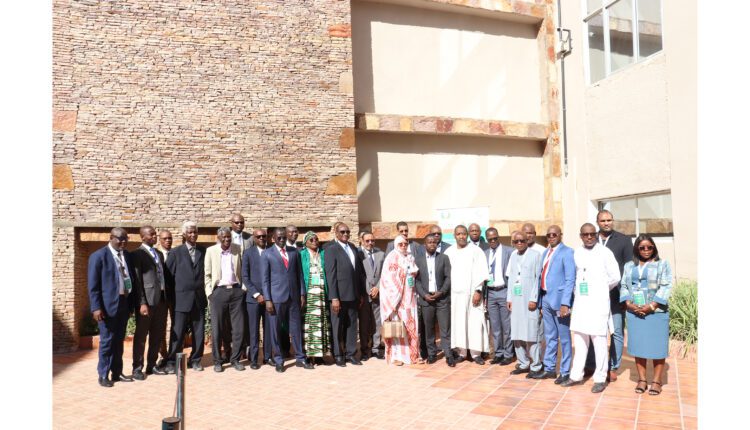
The Energy and Minerals Sector of the Economic Community of West African States (ECOWAS) is working to increase the level of access of residents of rural areas to electricity services by launching a regional project for access to electricity and battery energy storage technology, with a donation from the World Bank.
Several countries, including Mauritania, Senegal, Ivory Coast, Mali, and Niger, will benefit from the first phase of this regional project, which has been planned since 2021, with a financial envelope of 465 million US dollars.
Mauritania’s share of the project will be allocated to electrifying 481 rural villages extending along the West Bank, with a financial donation of $90 million, including five states: Trarza, Brakna, Gorgol, Kidi Magha and Assaba.
The first phase of the Mauritanian rural villages electrification project, which will begin implementation next year 2024, covers the states of Trarza and Brakna, and includes the second part of the project’s interventions in Mauritania, Gorgol, Kedi Magha, and La Assaba, to be the last phase of the project, as it is expected to end in December 2026 in the part related to Mauritania.
The general coordinator of the project in Mauritania, Mr. Ahmed Salem Ould Yobah, said in a statement to the Mauritanian News Agency that the initial preparations for launching the project have been completed and it is expected that the companies that will implement the project will come next year in order to start the work so that it will be completed within the time period specified for it.
He said that the last meeting was held in Nouakchott in order to discuss the best methods and necessary mechanisms, and to overcome the obstacles that may face the start of work on the project.
The coordinator explained that the residents of the villages benefiting from the project will receive free electricity connections, which will allow them to settle in their villages and create development projects, as the lack of electricity was hindering the creation of many projects, especially those related to the activity of the residents, as they will be able to grind their agricultural crops in their villages without moving to The city, in addition to providing lighting on the roads, which reduces the incidence of crime and contributes to the smooth movement of citizens there.
The national coordinator of the project indicated that electricity constitutes the backbone of life, as its availability in the villages and communities targeted within the framework of this project will provide many opportunities for the residents of those communities, including, but not limited to, the possibility of providing medicines, for example, that need to be stored in cold places, which will make it easier for residents to obtain them. Instead of moving to search for it elsewhere due to the lack of electricity in their villages.