

Assaba: (PraPs)… Continuous Efforts to support Livestock and strengthen Pastoral Infrastructure
Assaba
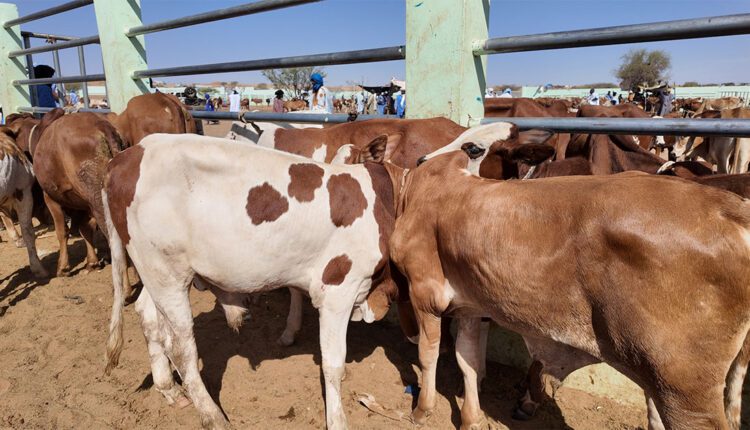
Livestock forms a fundamental component of economic activity in the Governorate of Assaba and is considered one of the main sources of income and livelihood for the residents of the governorate, given the region’s wealth in grazing resources and natural assets that support this vital sector.
In this context, the Regional Project to Support the Pastoral System in the Sahel (PRAPS), under the Ministry of Livestock Development, continues its efforts to strengthen pastoral infrastructure and organize livestock production and trade chains in Mauritania, through the implementation of targeted projects that meet the needs of both herders and traders.
Among the most prominent of these projects is the construction and equipping of three model livestock markets in the city of Kiffa, the capital of the state, in the city of Kankossa, and in the municipality of Tanaha, as part of a national plan aimed at modernizing livestock marketing facilities and improving working conditions within them.
These modern facilities benefit breeders, livestock traders, butchers, and customers. The project also supports women’s cooperatives by funding income-generating projects, including the opening of small shops that help improve the conditions of rural women and enhance their economic role within local communities.
The ‘PraPs’ project is being implemented in the regions of Hodh, Assaba, and Guidimakha, and is part of the Mauritanian government’s efforts to develop the livestock sector and enhance national food security.
In a statement to the Mauritanian News Agency’s office at the level of the Assaba region, the Secretary-General of the Association of Livestock Marketers in Kiffa Market, Mr. Yoro Ahmedou Ja, explained that the livestock market in Kiffa is considered a comprehensive model in terms of facilities and equipment, as it includes three areas dedicated to cattle, sheep, and camels. He emphasized the importance of providing water to the market, which is located far from the city, considering this a “tremendous step that serves the interests of the market’s patrons.”
He added that the market witnesses daily active buying and selling under the supervision of veterinary monitoring teams belonging to the regional administration of the Ministry of Animal Development, which work to monitor the health status of the animals and isolate any suspected cases