

Mauritania, Italy Sign Cooperation Protocol to Advance Kidney, Liver Transplants
Nouakchott
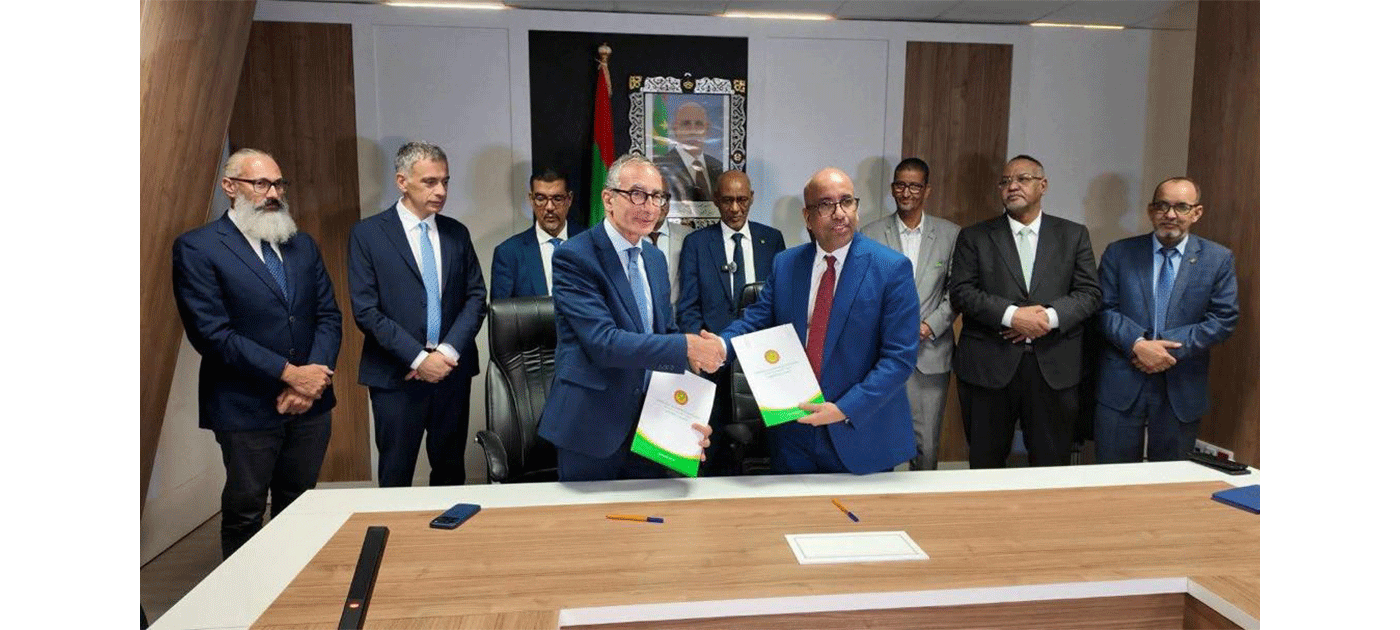
The Secretary-General of the Ministry of Health, Mr. Abdi Salem Cheikh Saad Bouh Cheikh Tourad, presided over the signing of a cooperation protocol this Tuesday evening at the Ministry’s headquarters in Nouakchott between the National Council for the Donation and Transplantation of Human Organs and Tissues and the Regional Center for Organ Transplantation in the Italian region of Lazio. The protocol aims to strengthen national capacities and develop medical expertise in the field of organ donation and transplantation, particularly kidney and liver transplants.
The protocol was signed on the Mauritanian side by the President of the National Council for the Donation and Transplantation of Human Organs and Tissues, Mr. Abdellatif Sidi Ali, and on the Italian side by the Director of the Regional Center for Organ Transplantation in the Lazio Region, Mr. Mariano Fecchia.
In a speech delivered on the occasion, the Secretary-General of the Ministry of Health emphasized that this agreement represents a new step in the cooperation between Mauritania and Italy and reflects a shared commitment to developing kidney and liver transplant services and strengthening the national organ donation and transplantation system.
He explained that efforts to launch a kidney transplant program in Mauritania began two years ago, under the high patronage of His Excellency the President of the Republic, Mr. Mohamed Ould Cheikh El Ghazouani, as part of an initiative aimed at developing specialized health services and enabling citizens to benefit from advanced medical treatments within the country.
He added that the signing of this protocol complements the efforts made in this area, and reflects the government’s commitment—under the leadership of Prime Minister El Moctar Ould Djay—to translating efforts to develop the health sector into concrete actions by training national professionals, strengthening technical capabilities, and improving mechanisms for monitoring patients and donors, thereby ensuring that organ transplantation services meet standards of expertise, competence, and quality and safety of care.
He explained that the protocol includes a range of practical areas of cooperation, most notably the training of medical and paramedical staff at specialized centers in the Lazio region, sending missions of Italian experts to Mauritania, exchanging expertise and providing remote medical consultations, as well as supporting the establishment of a laboratory for immunology and tissue compatibility and creating a national registry for chronic kidney disease.
The agreement also includes support for the kidney transplant program—including pediatric kidney transplants—and the provision of technical support for the first liver transplants in Mauritania, in accordance with work plans and implementation arrangements agreed upon by both parties.
For his part, the director of the Regional Organ Transplant Center in the Lazio region praised the progress being made by the Mauritanian health system, noting that this cooperation will help enhance the readiness of medical teams and improve their performance by providing training opportunities, facilitating the exchange of expertise, and enabling the acquisition of new skills in the field of kidney and liver transplantation.