

Mauritania, Partners Discuss Report on Country’s Food Systems
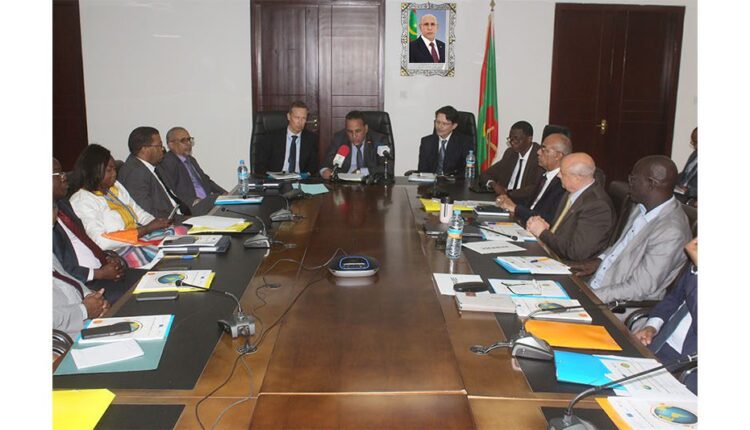
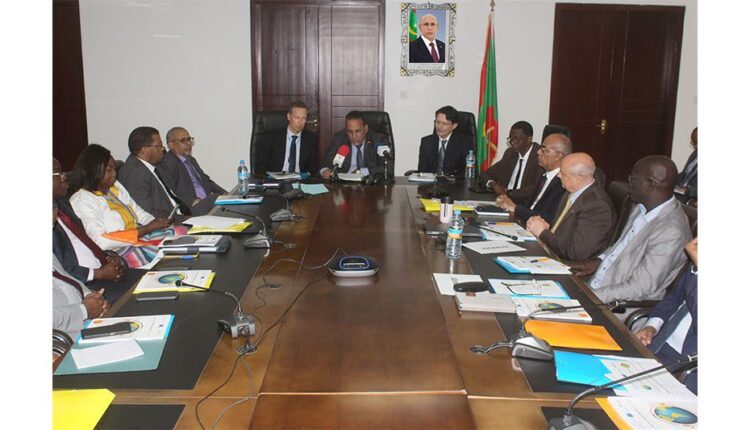 On 25 April, in Nouakchott, the Ministry of Economic Affairs and Promotion of Productive Sectors organized a meeting devoted to the presentation and discussion of a report on food systems in Mauritania, in cooperation with the UN Food and Agriculture Organization (FAO) and the European Union prepared between November 2021 and March 2022.
The report discusses the possibility of a comprehensive and sustainable transformation of food systems, consumption figures, and trends and the main challenges to be met to achieve the priority objectives of sustainable food systems in Mauritania and the means to migrate towards these systems.
This meeting aims to define the parameters of food systems in our country, because food security occupies a special place in the priorities of His Excellency Mr. Mohamed Ould Cheikh El-Ghazouani, the President of the Republic, as Mr. Yacoub Ahmed Aïcha, the Secretary General of the Ministry of Economic Affairs and Promotion of Productive Sectors, said, highlighting the importance of food systems in the service of inclusive and sustainable economic and social development. He stressed the need
to better define them to ensure the well-being of the citizen.
He added that the recommendations resulting from the work of this meeting are likely to improve food systems and extend their impact through the identification of opportunities and obstacles that stand before them, thanking the development partners, particularly the FAO and the European Union, for their support for the ministry’s actions.
In turn, Mr.
Huynh Anh Tai Alexander, the FAO representative to Mauritania, said the implementation of policies based on the diagnosis of the main problems of food systems in Mauritania will undoubtedly activate the sustainable and inclusive transformation of these systems.
For his part, His Excellency Mr. Gwilym Jones, he EU Ambassador to Mauritania, indicated that the identification of economic levers represents concrete courses of action for a positive development of Mauritanian food systems, through the development of productive capacities and the resilience of agro-pastoral production systems, the strengthening of market systems and the improvement of the business climate, and related infrastructure.